7 Mistakes You're Making with Employee Recognition Awards (And How to Fix Them)

Employee recognition is one of the most powerful tools for boosting morale, increasing productivity, and retaining top talent. Yet despite spending billions on recognition programs every year, many companies are still getting it wrong. If your employee recognition efforts aren't delivering the results you expected, you might be making one (or more) of these common mistakes.
Don't worry though – we've got the fixes that'll turn your recognition program from "meh" to memorable.
Mistake #1: Waiting Too Long to Recognize Great Work
The Problem: You know that feeling when someone compliments your haircut three months after you got it? Yeah, that's exactly how your employees feel when you wait until the annual review to acknowledge their amazing work from January.
Recognition loses its punch when there's a big gap between the achievement and the acknowledgment. When employees crush a project or go above and beyond, they want to know you noticed – right now, not six months from now.
The Fix: Strike while the iron is hot! Create a system for immediate recognition that doesn't require tons of paperwork or budget approval. This could be as simple as a quick email to the team, a shout-out in your next meeting, or a small token of appreciation.
Set up weekly team celebrations, monthly department spotlights, and quarterly company-wide recognition alongside your bigger annual events. The key is creating multiple touchpoints throughout the year that keep the positive momentum going.

Mistake #2: Only Recognizing the Big Wins
The Problem: If your recognition program only celebrates major achievements and hitting huge targets, you're missing 90% of what makes your workplace run smoothly. What about the employee who always helps new team members get up to speed? Or the one who consistently shows up early and stays positive during busy periods?
When you only reward the flashy stuff, you're essentially telling everyone else that their daily contributions don't matter.
The Fix: Expand your recognition radar to include effort, teamwork, innovation, professional development, and living your company values. Create different categories like "Team Player of the Month," "Innovation Award," or "Going Above and Beyond."
Remember, some of your most valuable employees aren't necessarily your top performers – they're the ones who make everyone else better.
Mistake #3: Making Recognition a Top-Down-Only Thing
The Problem: Many companies think recognition should only flow from managers to employees. But here's the thing – your team members work with each other way more than they work directly with you. They see the daily heroics, the helpful attitudes, and the collaborative spirit that you might miss.
When you restrict recognition to manager-only territory, you're losing out on a huge opportunity to build peer connections and team spirit.
The Fix: Set up peer-to-peer recognition systems where employees can acknowledge each other's contributions. This could be through a digital platform, a physical recognition board, or even simple nomination forms for monthly awards.
Peer recognition often means more to employees because it's coming from people who truly understand the day-to-day challenges of their role.

Mistake #4: Going Generic with Your Recognition
The Problem: Generic recognition is like a mass-produced greeting card – technically it gets the message across, but it doesn't feel personal or meaningful. Cookie-cutter emails, identical gifts for everyone, or impersonal certificates that could have anyone's name on them actually do more harm than good.
Employees can tell when recognition isn't genuine, and generic approaches often feel like checking a box rather than showing real appreciation.
The Fix: Get to know your people and personalize both the recognition and the reward. Some employees love public praise, while others prefer a private thank-you. Some value experiences over objects, while others want something tangible they can display.
The most meaningful recognition often costs nothing – like a handwritten note explaining specifically what the person did and why it mattered, or a personal message from leadership acknowledging their unique contribution.
Mistake #5: Having Unclear or Inconsistent Criteria
The Problem: When employees don't understand what gets rewarded, your recognition program becomes a mystery that breeds frustration instead of motivation. Without clear criteria, people start to think you're playing favorites or that recognition goes to whoever leadership likes best rather than who deserves it most.
Inconsistent recognition criteria also means you might be accidentally rewarding behaviors that don't align with your company values or goals.
The Fix: Be crystal clear about what behaviors, outcomes, and values you're recognizing. Document these criteria and communicate them consistently across all levels of your organization.
Train managers on how to give specific, timely recognition using frameworks like the STAR method (Situation, Task, Action, Result). This helps ensure recognition is always connected to concrete contributions rather than vague praise.

Mistake #6: Putting All Your Eggs in the Annual Awards Basket
The Problem: Annual awards ceremonies look great in company newsletters and on social media, but they're terrible for day-to-day motivation. By the time you're handing out "Employee of the Year" awards, most people have forgotten what they did to earn consideration.
Recognition that happens once a year feels disconnected from daily work and doesn't provide the ongoing motivation that keeps people engaged throughout the year.
The Fix: Think of recognition as an ongoing conversation, not a once-a-year event. Your annual ceremony can be the capstone of a year-long recognition strategy, but it shouldn't be the only thing.
Create a layered approach with daily kudos, weekly team highlights, monthly department spotlights, quarterly celebrations, and your big annual event. This keeps positive energy flowing all year long.
Mistake #7: Not Connecting Recognition to Your Company Mission
The Problem: Recognition that isn't tied to your organization's values and strategic goals feels hollow and superficial. When employees can't see how their recognized contributions connect to the bigger picture, the recognition loses its meaning and impact.
This disconnect also represents a missed opportunity to reinforce what your company truly values and where it's headed.
The Fix: Always explicitly connect your recognition to core values and business objectives. When acknowledging someone's work, explain how their actions embodied company values or contributed to strategic goals.
This approach transforms recognition from a nice gesture into a powerful tool for cultural reinforcement and strategic alignment. It shows employees that recognition isn't random – it's part of a deliberate effort to celebrate what matters most to your organization's success.
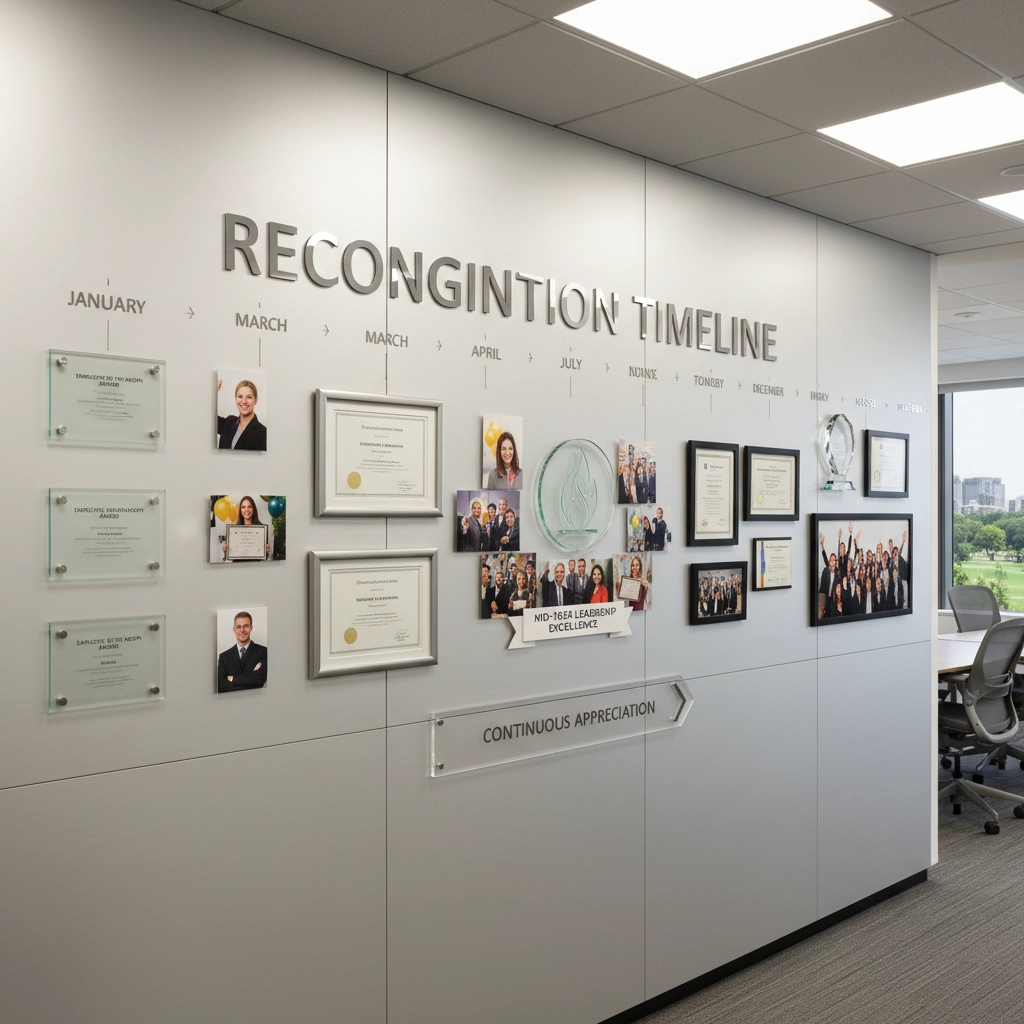
Making Recognition Work for Your Organization
Here's the truth about employee recognition: it's not about having the biggest budget or the fanciest awards. It's about consistency, authenticity, and making people feel genuinely valued for their unique contributions.
The best recognition programs combine timely acknowledgment, peer participation, personalized approaches, clear criteria, ongoing touchpoints, and strong connections to company values. When you get these elements working together, you create a culture where people feel seen, appreciated, and motivated to do their best work.
Whether you're starting from scratch or revamping an existing program, focus on fixing one mistake at a time. Small improvements in how you recognize employees can lead to big improvements in engagement, retention, and overall workplace satisfaction.
Remember, the goal isn't to create the perfect recognition program overnight – it's to build a culture where appreciation flows naturally and employees feel valued for who they are and what they contribute every single day.
Comments